The Dishwasher Who Outlasted Kings
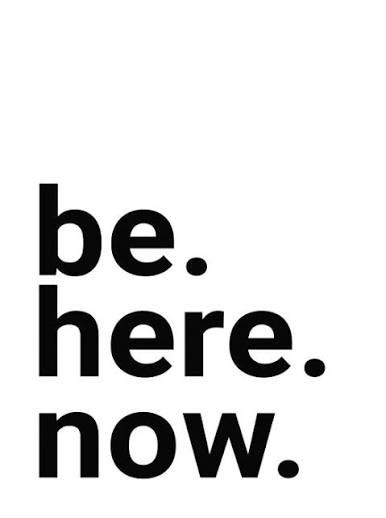
Babies don’t ruminate about yesterday or worry about next Tuesday. The now is all there is, until we decide otherwise.
Living in the past is a choice. So is living in the future. They feel automatic, but they’re not. They’re habits we built, mostly without noticing, because the past feels safer to analyze and the future feels more urgent to control.
The Stoics knew what I keep forgetting: the only moment I have any power in is this one.
Not the one where I felt wronged. Not the one where everything finally turns out okay. This one.
Richard Alpert, a Harvard psychologist spent the first half of his life with all the right credentials and none of the peace. He went looking for it everywhere: degrees, status, chemistry, and finally found it folded into three words a teacher kept handing him: be here now. Richard transformed into Ram Dass and shared that message with us.
Not be here later. Not be here once you’ve earned it. Now. The doorway is never locked. We just keep walking past it, certain the good room is somewhere down the hall.
Three hundred years ago, a clumsy ex-soldier named Nicolas Herman took a job washing dishes in a Paris monastery. He wasn’t a scholar. He wasn’t even a priest, just a lay brother, low on the org chart, handed the pots and pans for the rest of his life.
He had one practice, if you can call it that. He decided God was as available at the sink as at the altar. So he stopped waiting for the holy moments and started treating every moment as one. Peeling potatoes. Mending sandals. Right there, hands wet, fully present.
He never wrote a book. Never tried to. After he died, someone gathered up a few letters and the notes from their conversations and published them as The Practice of the Presence of God. It has never gone out of print. Three and a half centuries later, a dishwasher’s quality of attention has outlasted the cardinals and the kings of his age.
That’s the outsized impact of presence. He didn’t change the world by going somewhere. He changed it by being completely where he already was.
So choosing the present isn’t about productivity, and it isn’t about a calmer inbox. It’s an act of courage. It means sitting with what’s real: the discomfort, the joy, and the mess without numbing it with nostalgia or outsourcing it to anxiety.
The present moment is always available. The question is whether we’re willing to show up for it.
Let go of the past. Let go of what might happen. Soak in this one.
That’s the work. Hard, ordinary, and worth it. Be here now.